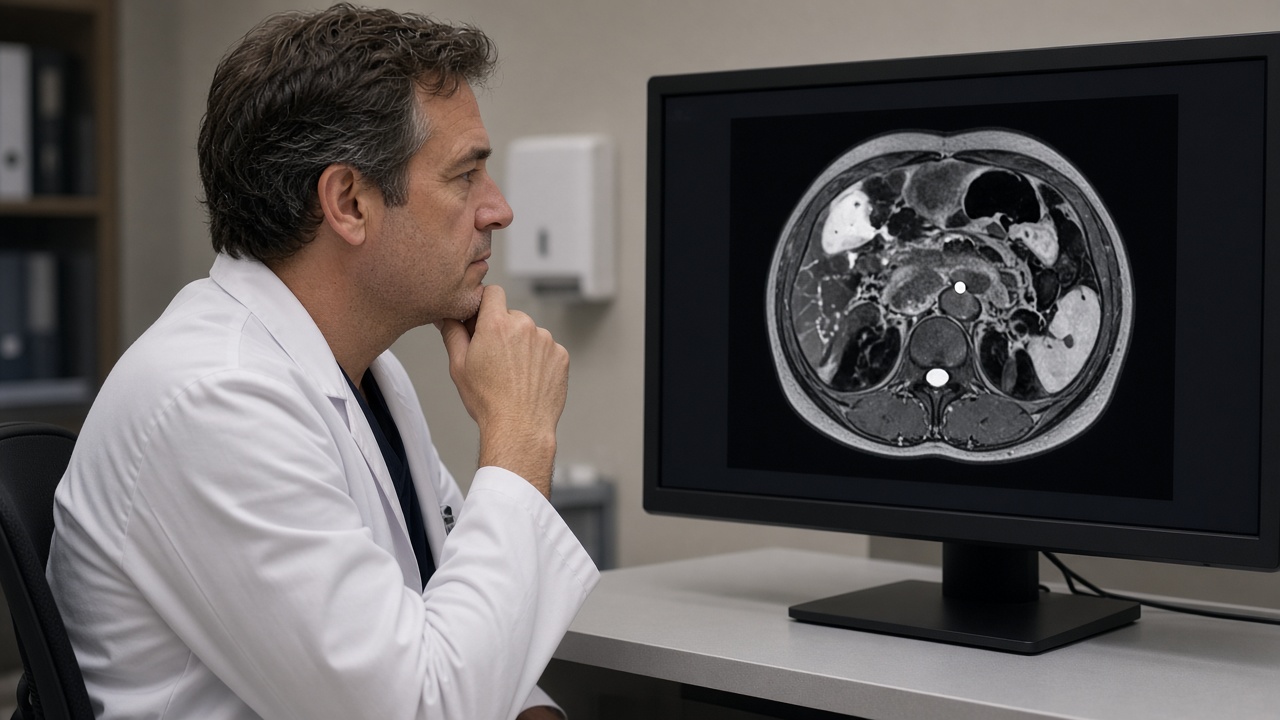
Incidental findings: when a scan shows something you were not looking for
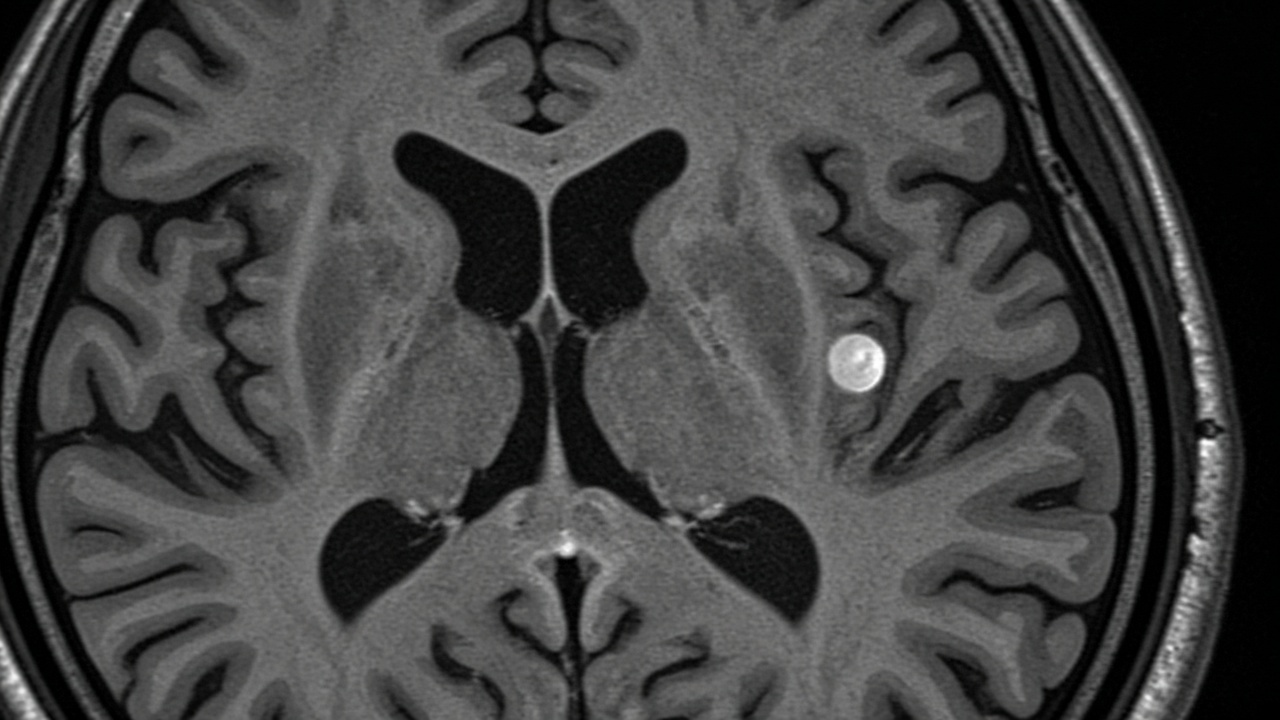
Preventive and focused scans sometimes show a cyst, a nodule or wear and tear that was not the reason for the exam.
Blog
What MRI is, how it works, how it compares with CT and X-ray, and the core terms patients see on a report.
Preventive and focused scans sometimes show a cyst, a nodule or wear and tear that was not the reason for the exam.
Reports are written for doctors. Words like unremarkable, lesion and incidental do not all mean the same thing.
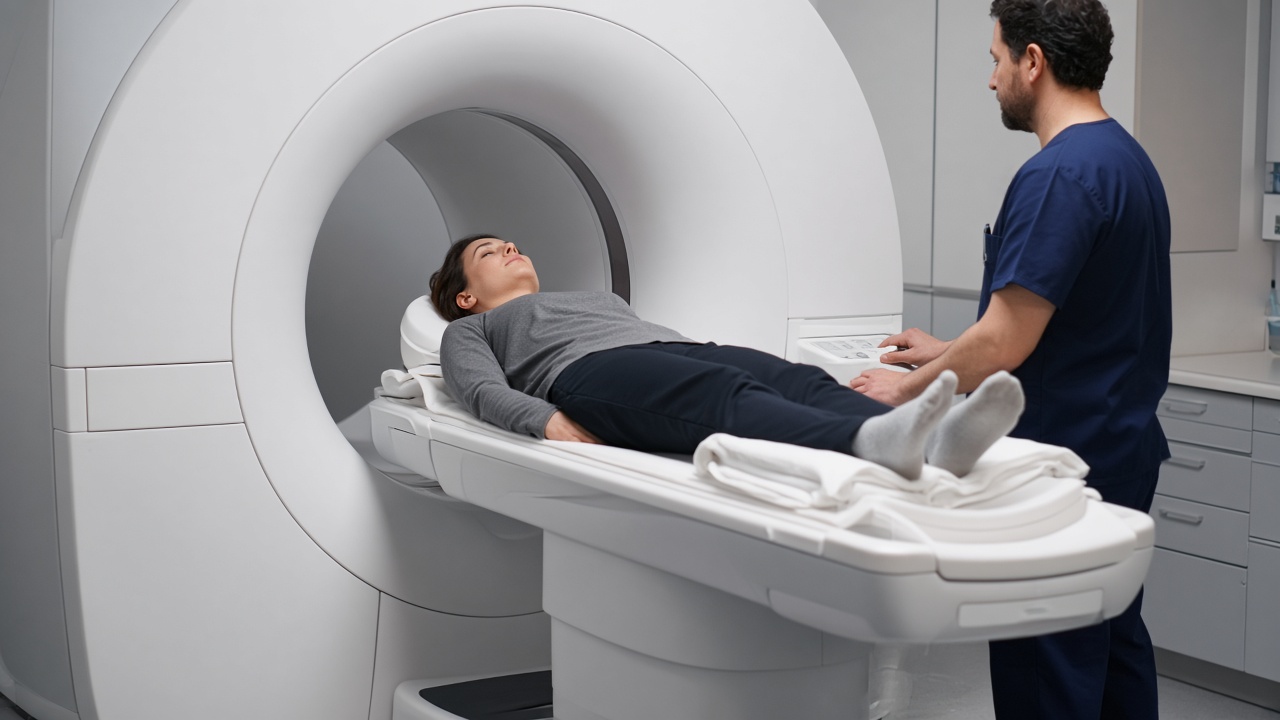
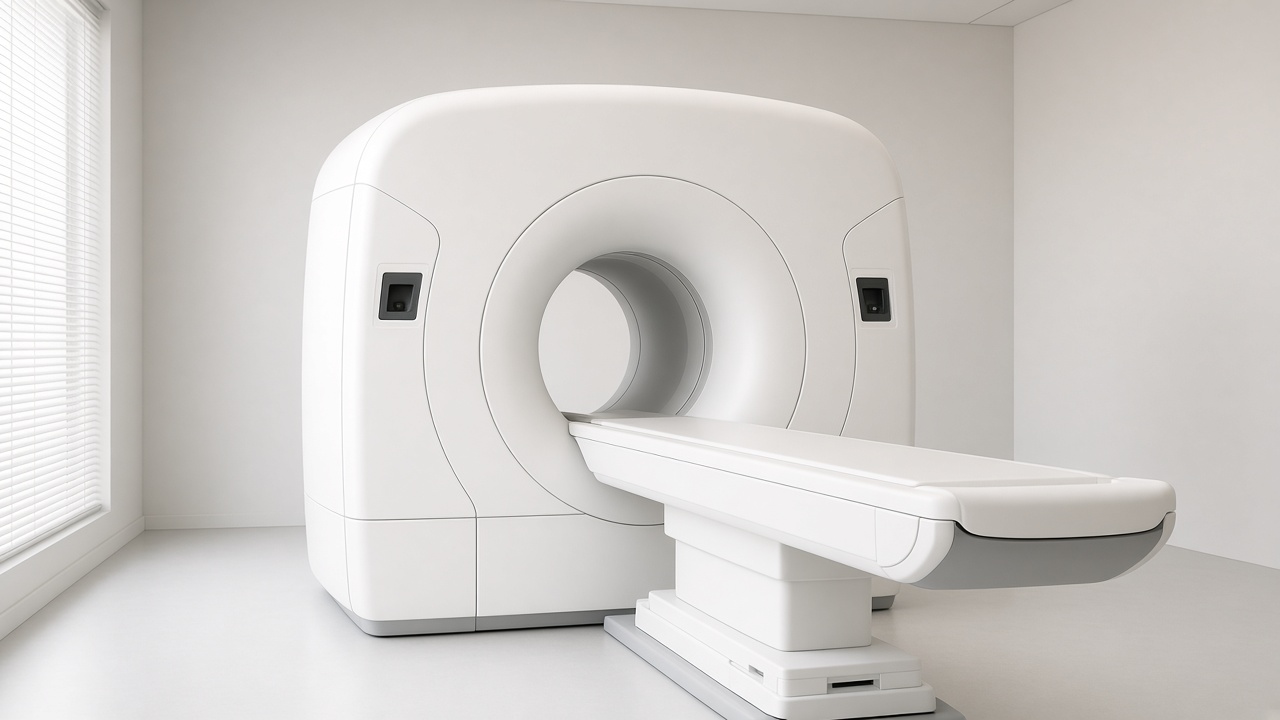
An MRI scan is a painless imaging test that uses magnets and radio waves to create detailed pictures of the inside of the body.
Realistic expectations: MRI excels for solid organs, but does not replace colonoscopy, mammography or lung CT.
Higher field strength means a better signal, which buys sharper images or a shorter scan. Explained for patients.
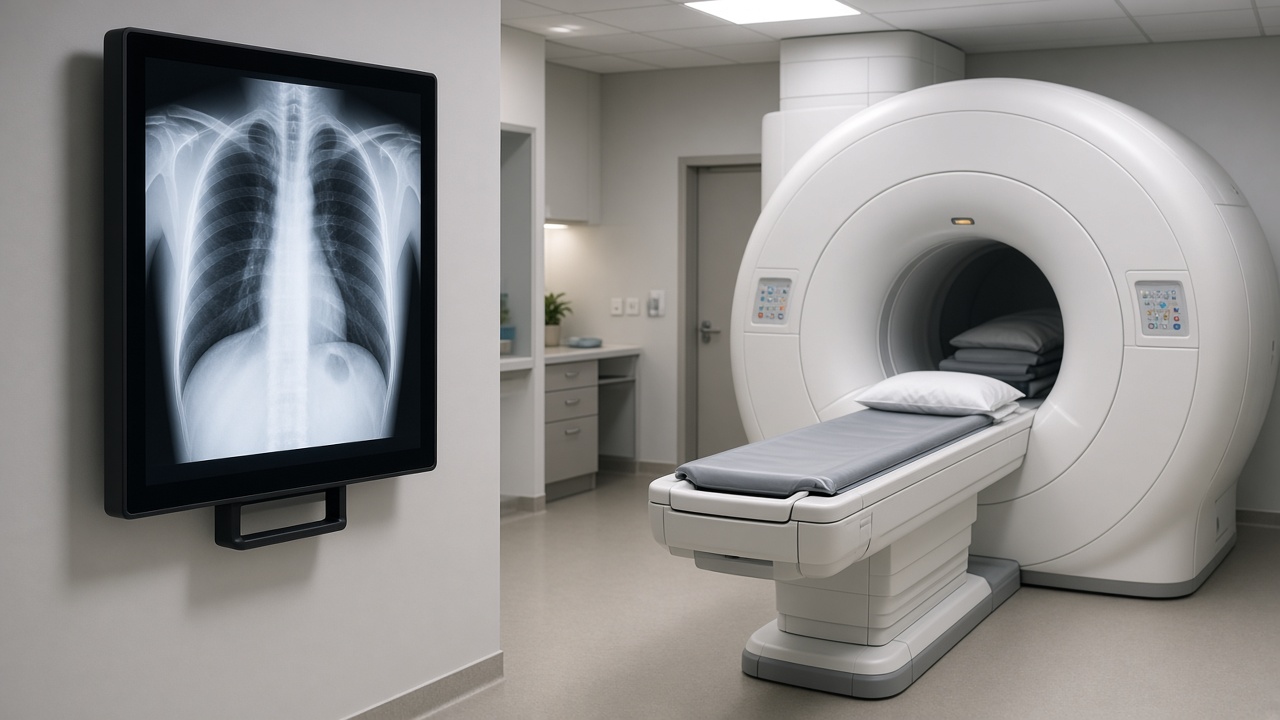
An X-ray is quick and shows bone. MRI takes longer and shows soft tissue. They answer different questions.
MRI is used when a doctor needs detail of soft tissue: brain, spine, joints and many organs. It is not the first test for every pr...
MRI lines up hydrogen atoms with a magnet, then reads the signal they give off. No X-rays are involved.
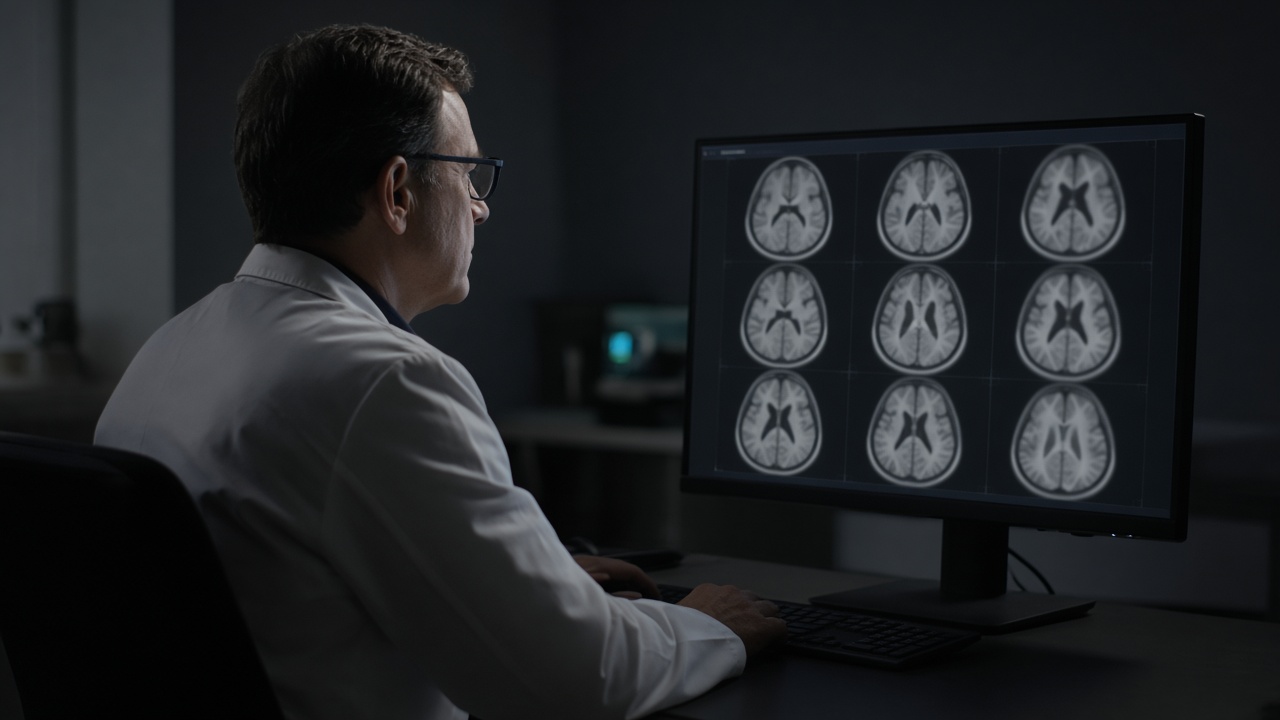
A doctor who interprets medical images and writes the MRI report. The person who positions you in the scanner is usually a radiogr...
Something seen on a scan that was not the reason the scan was ordered. It may be harmless, or it may need a follow-up test.
Magnets, radio waves and gradient coils in plain language, and why the scan is noisy and takes so long.
MRI uses a strong magnetic field and radio waves, with no ionising radiation of the kind used in X-ray or CT.
Get new MRI guides by email
Practical articles when we publish them. Unsubscribe any time.